
What is Trap-Neuter-Return (TNR)?
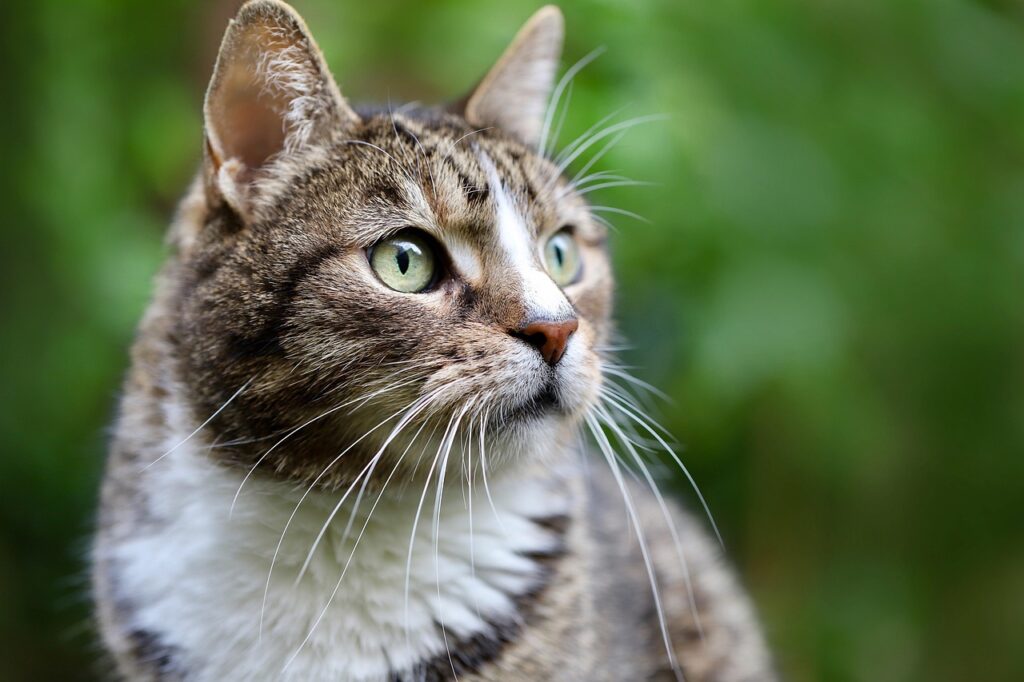
Trap-Neuter-Return, or “TNR” for short, is the humane approach to controlling community cat overpopulation. It’s a community-based program that involves concerned citizens like you trapping free-roaming cats in your neighborhood, bringing them to a clinic to get them spayed or neutered, and then returning the cats to the exact location where they were trapped so they can live out the rest of their natural lives, ideally with a caregiver also providing food, water and shelter for them.
Los Angeles has a very large population of homeless stray and feral cats. Given their strong survival capabilities and prolific breeding, if nothing is done, this population will simply continue to grow. If the population is left unchecked, it will only lead to more and more cats living in unmanaged colonies, a decrease in public tolerance of homeless cats, and increased pressure on the environment, animal control agencies and our society as a whole.
Trap and remove doesn’t work.
The old approach to controlling free-roaming cats was repeated extermination attempts. Capturing homeless cats and taking them to animal shelters, where they will be killed, may temporarily reduce their numbers, but this doesn’t solve the problem for long.
Cats are living there in the environment because of two main reasons:
1) there is a food source (intended or not) and
2) there is some sort of shelter.
When cats are removed from a location, it creates a “vacuum” effect. Other cats in the area can sense this and will breed rapidly to fill in the gap, plus new cats will move in to take advantage of the natural food and shelter sources. This vacuum effect is well documented. Trapping and removing cats often results in having even more unsterilized cats in the location than when you started. Catch and kill is very costly, doesn’t work, and ultimately it’s inhumane.
Trap-Neuter-Return is a proven and humane solution.
Trap-Neuter-Return programs are a very successful method of decreasing community cat populations. TNR programs tend to be less costly and provide the best possible life for the cats themselves. Therefore, FixNation is committed to decreasing the number of homeless cats in our community by sponsoring the cost of sterilization services for homeless cats at select local clinics.
If you feed community cats, you also need to fix them!
Providing food, water and shelter for outdoor cats is important, but it’s also equally important to make sure all of the cats in the group or colony are spayed and neutered. If not, a small colony could soon become a very large colony! Cat colonies can quickly quadruple in size in a very short period of time, as cats can have two to three litters per year. And then those kittens can become pregnant at about four months of age…and so the cycle continues. Spaying and neutering the cats will not only stop the breeding cycle, but it will also eliminate problematic behaviors such as howling, fighting and spraying.